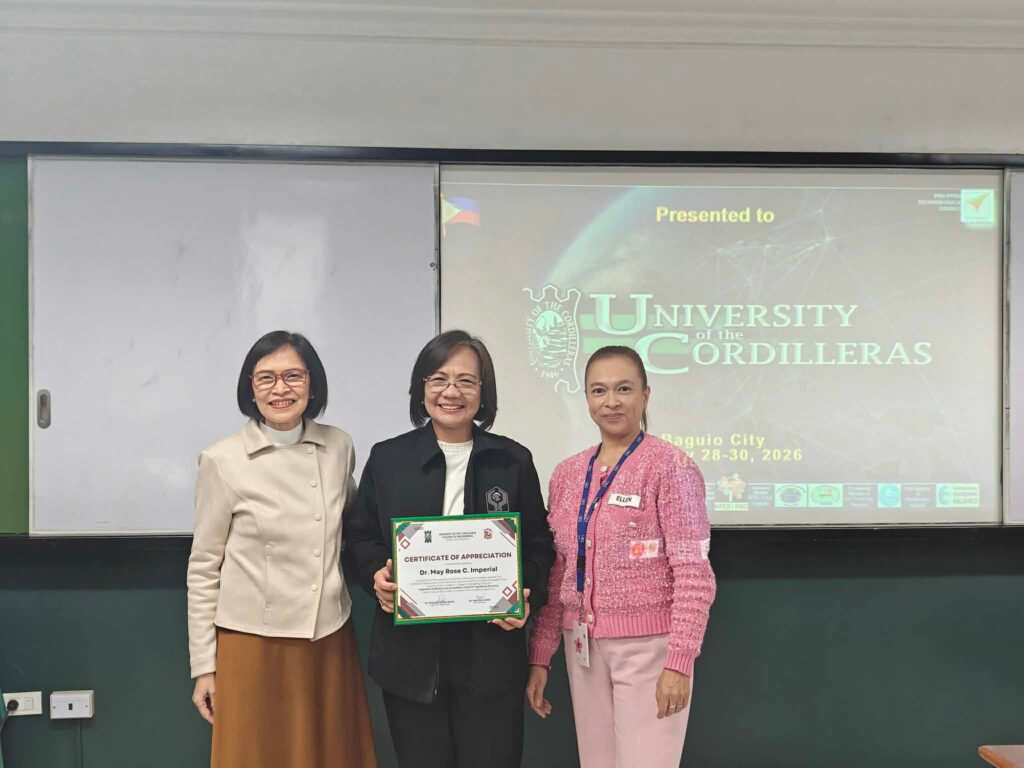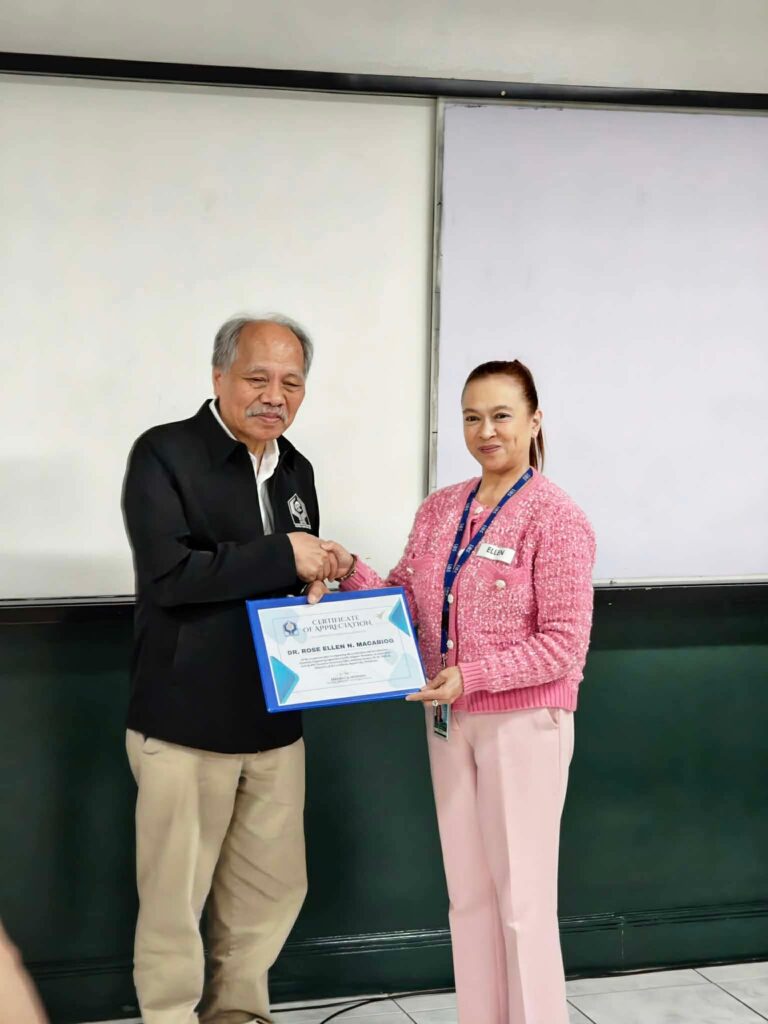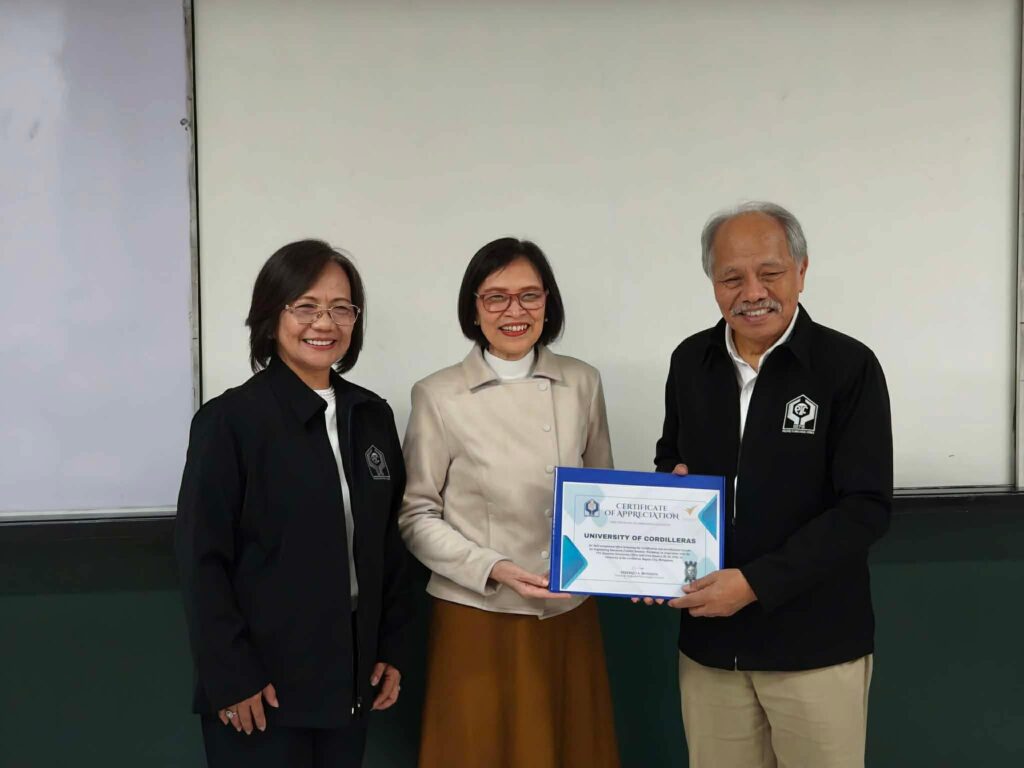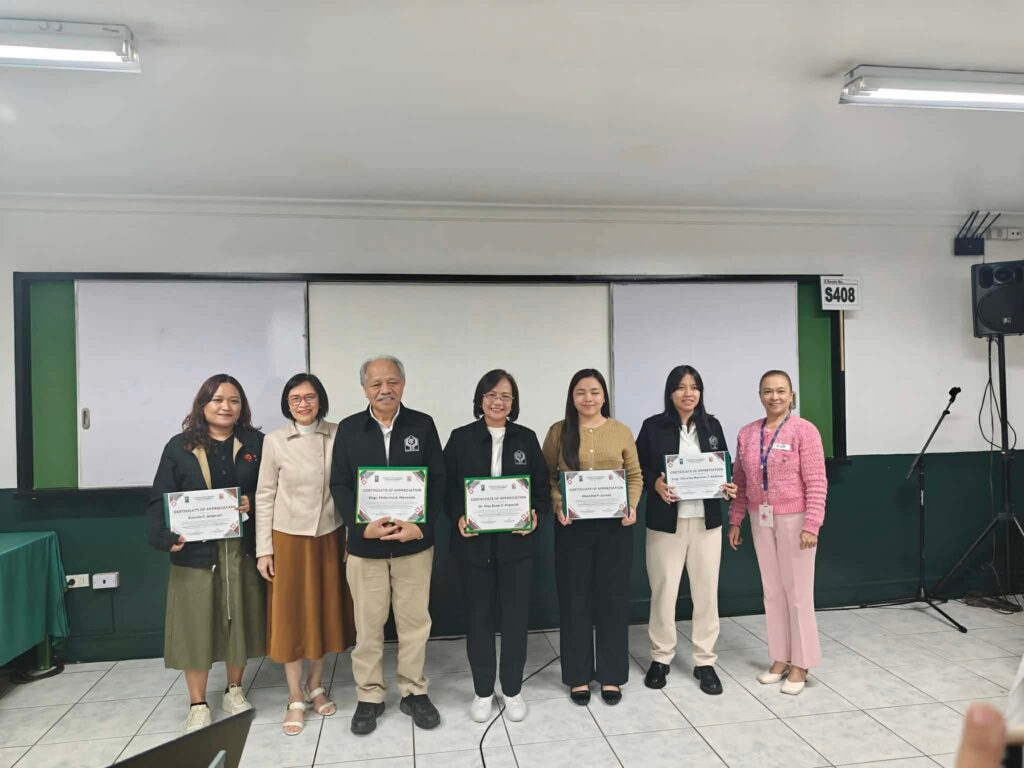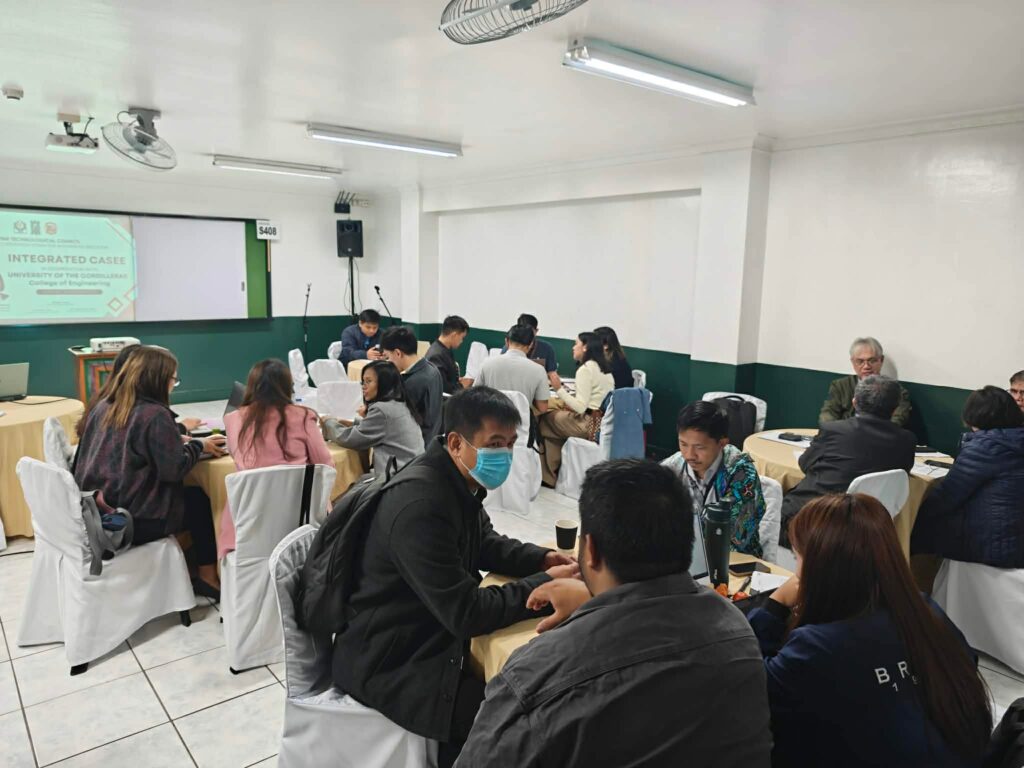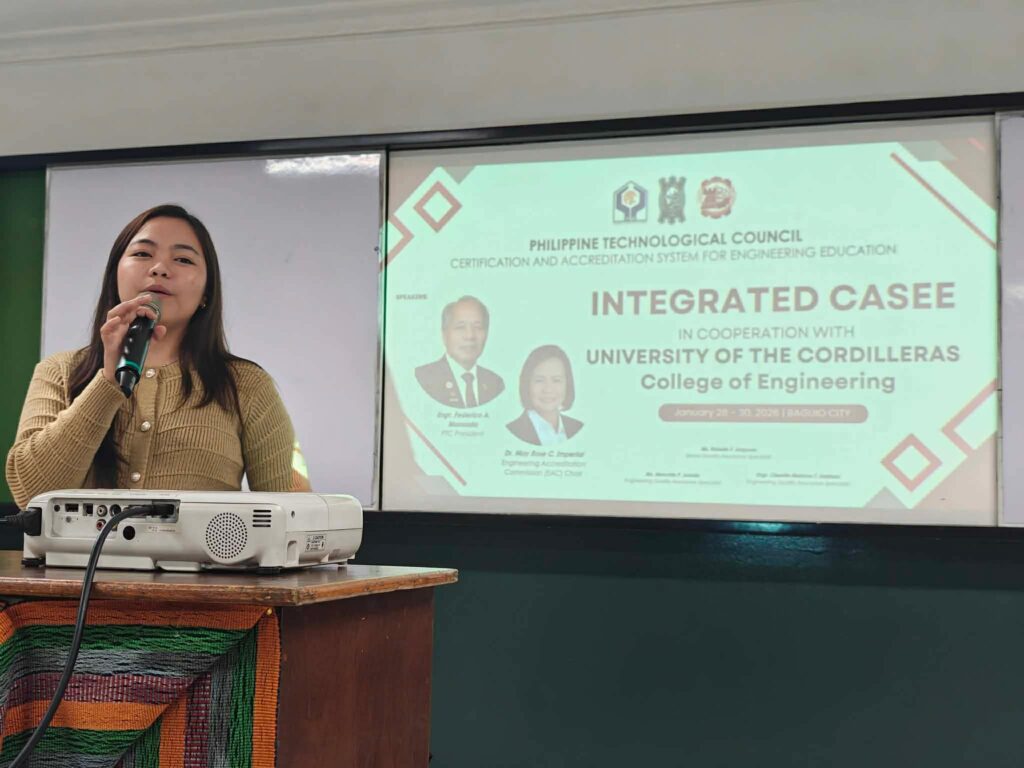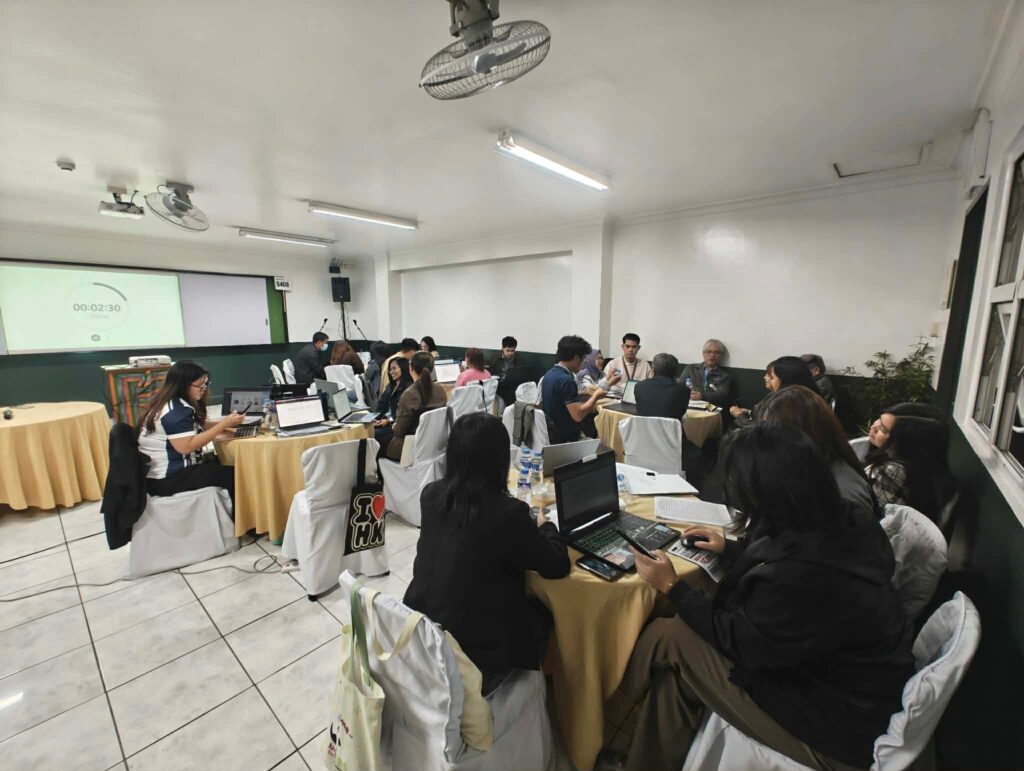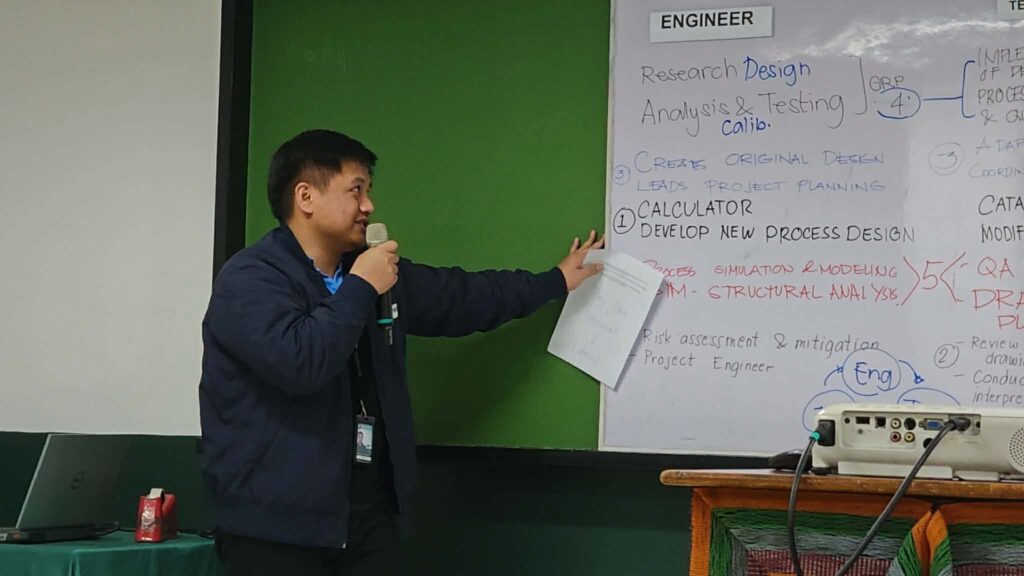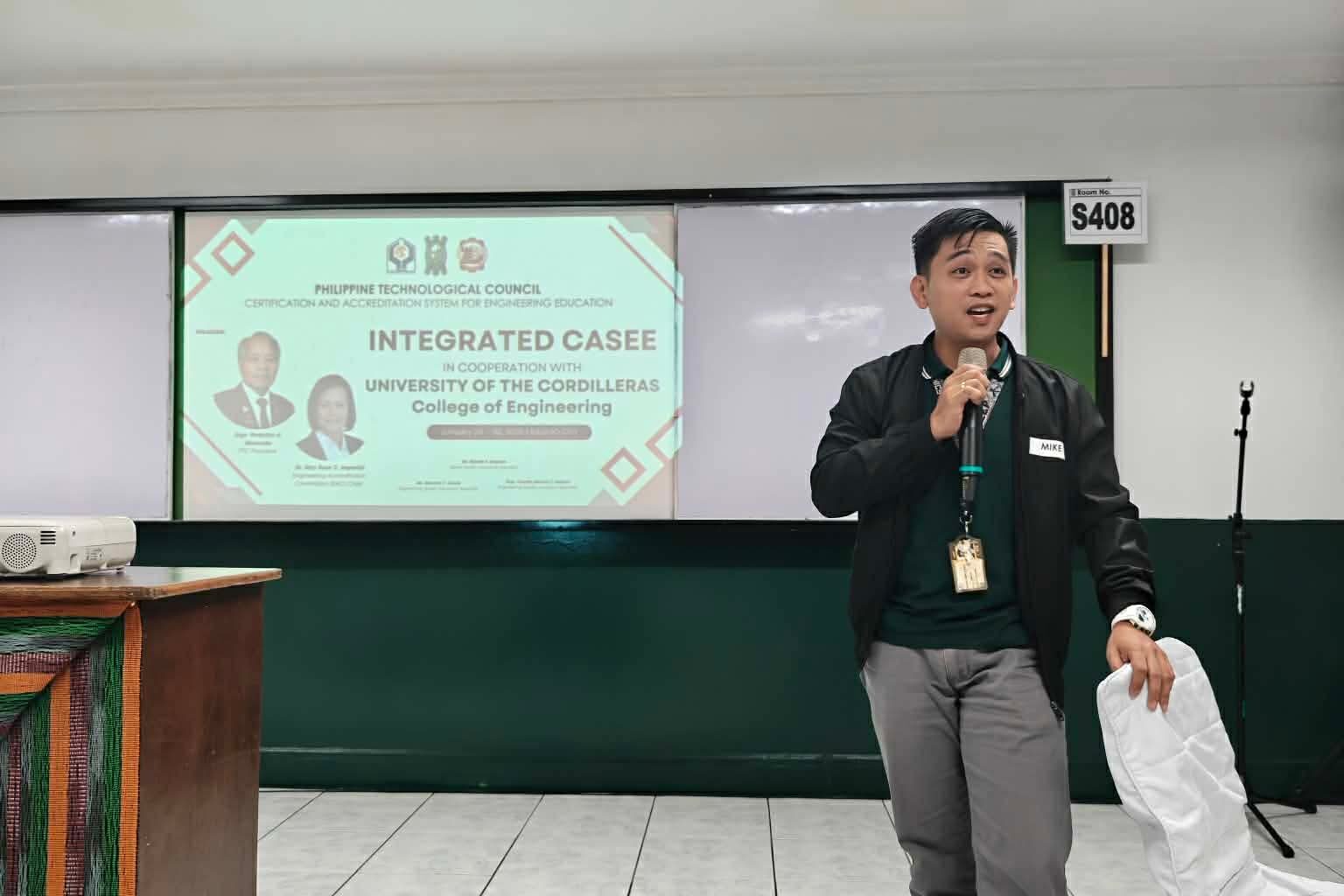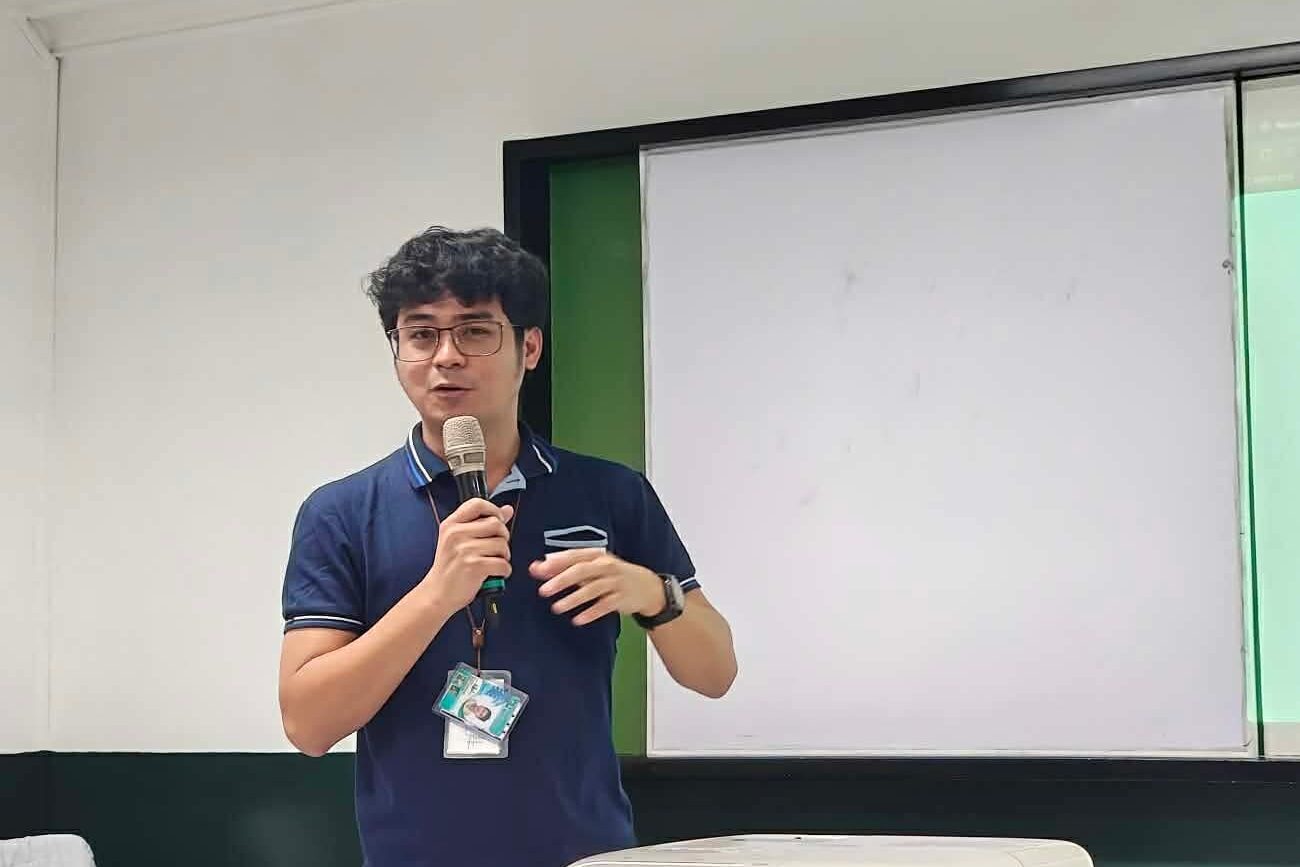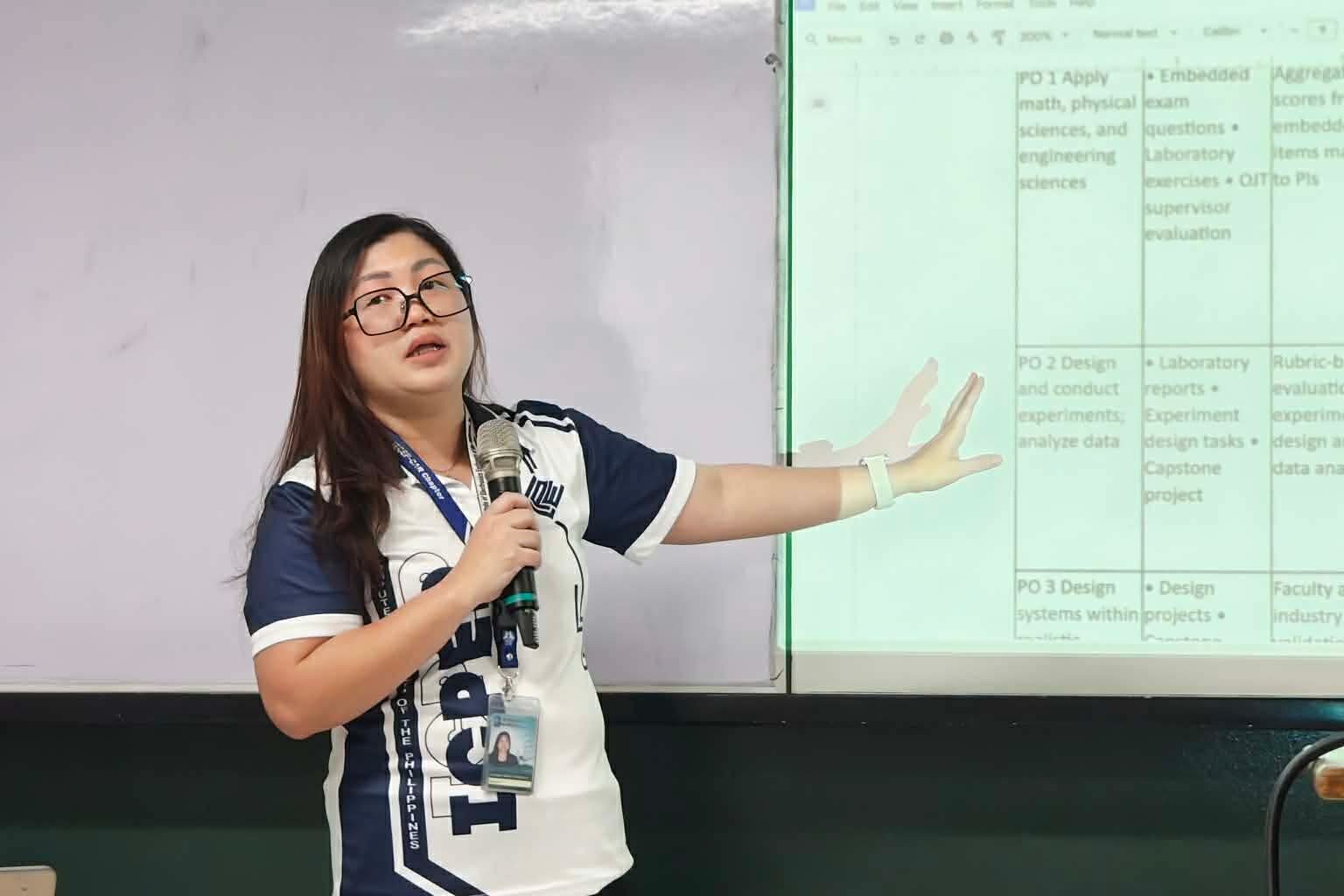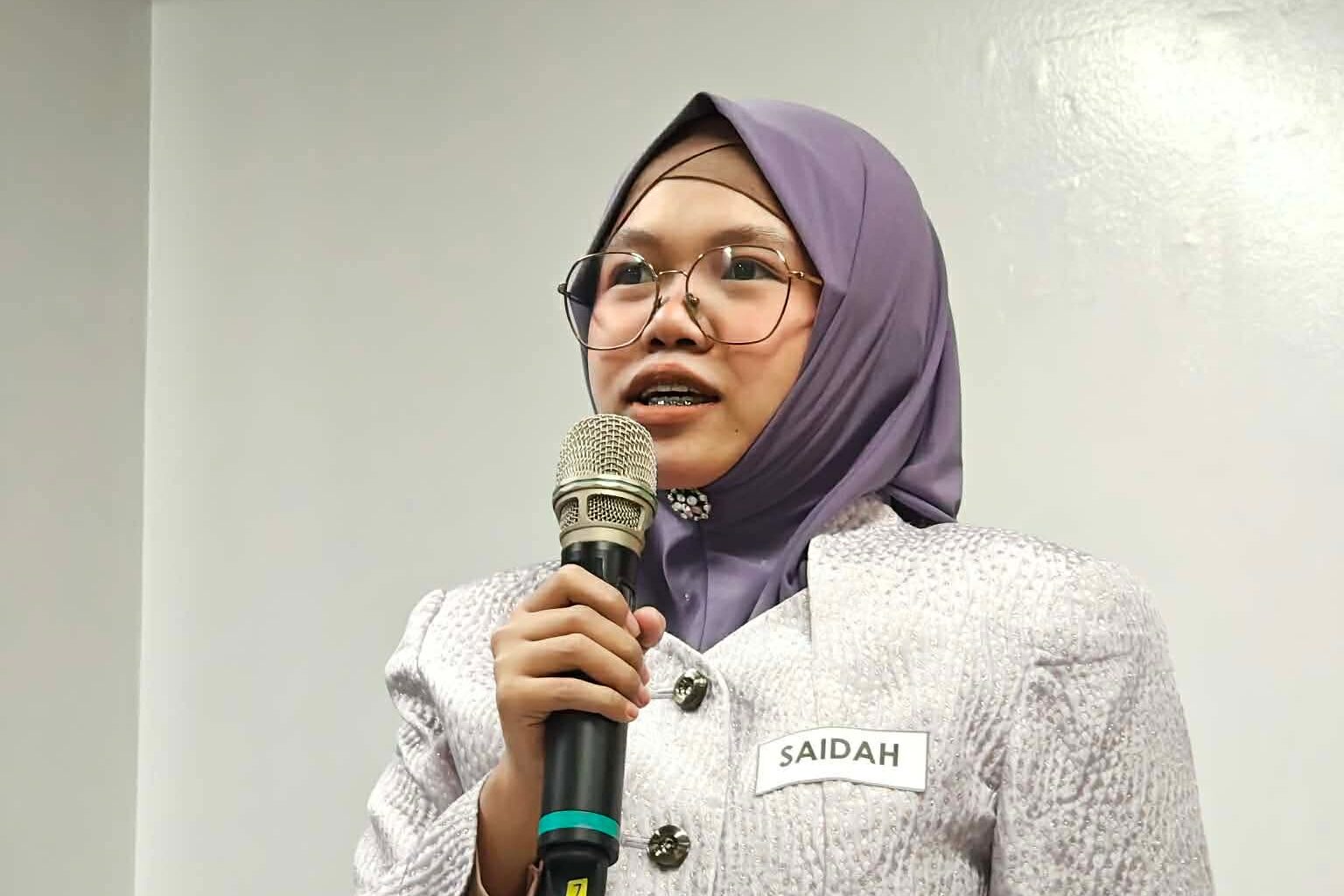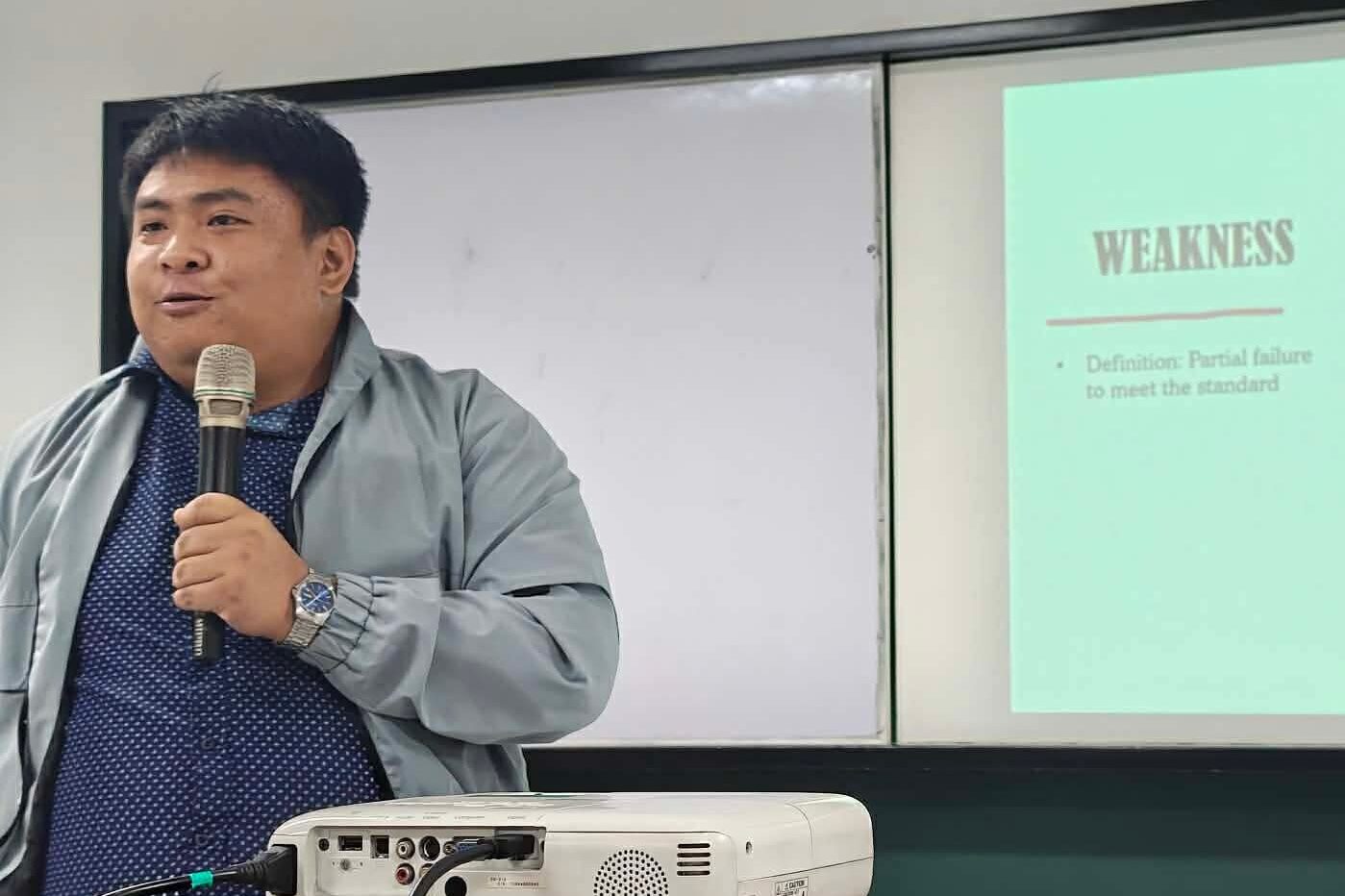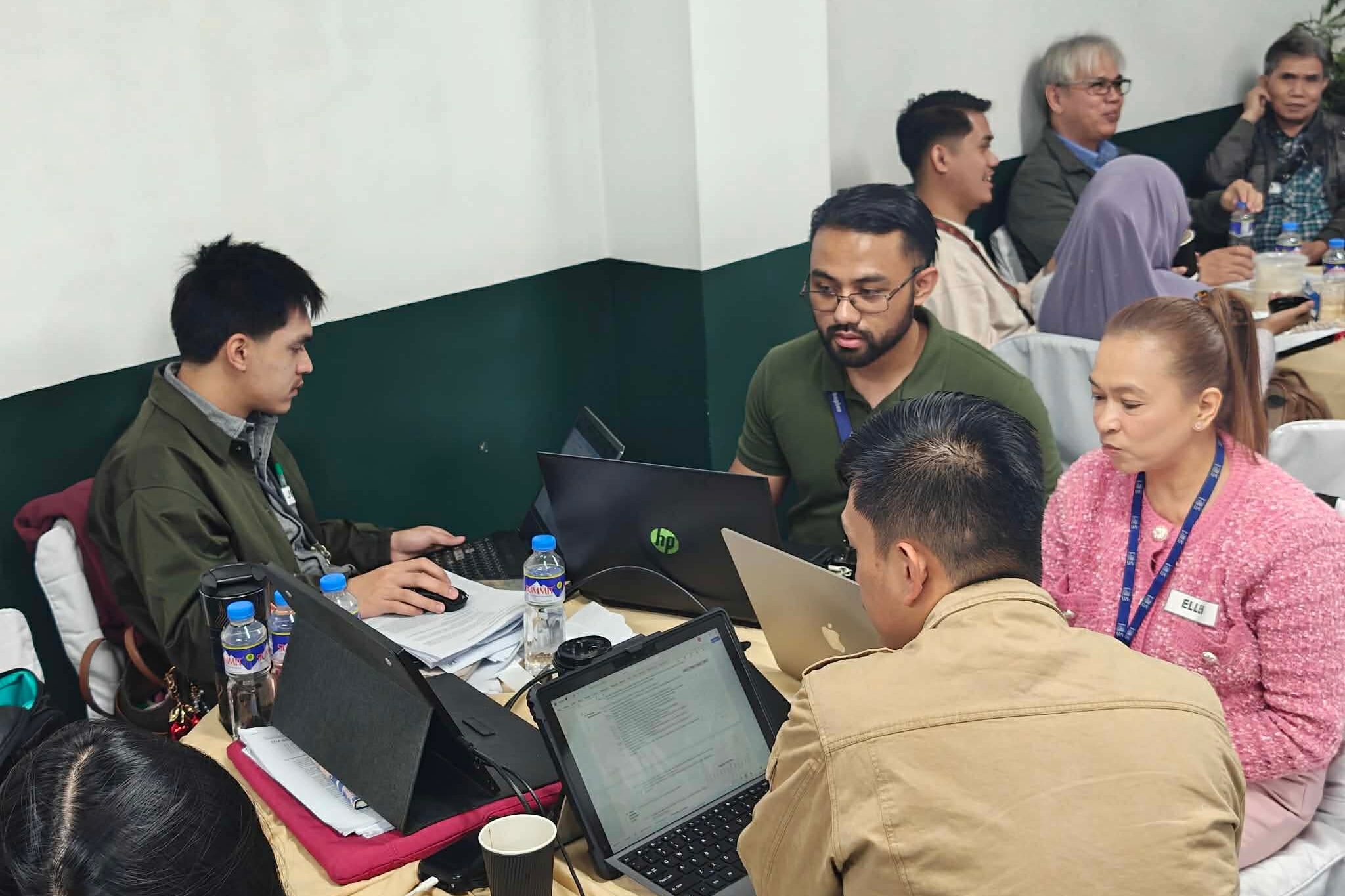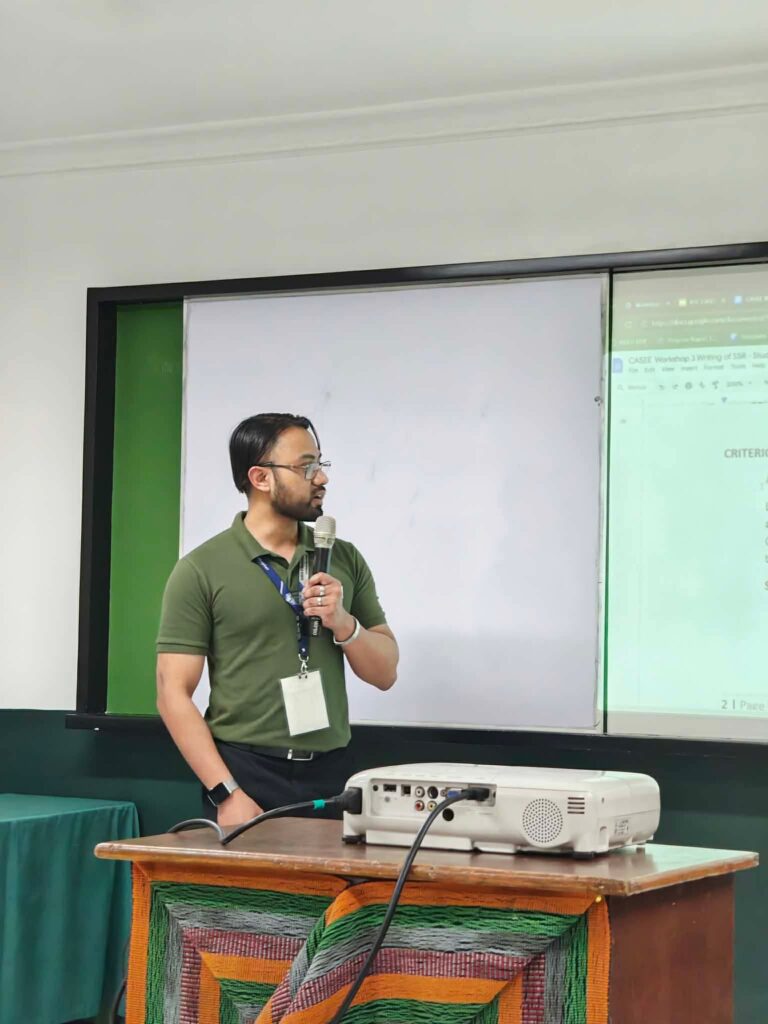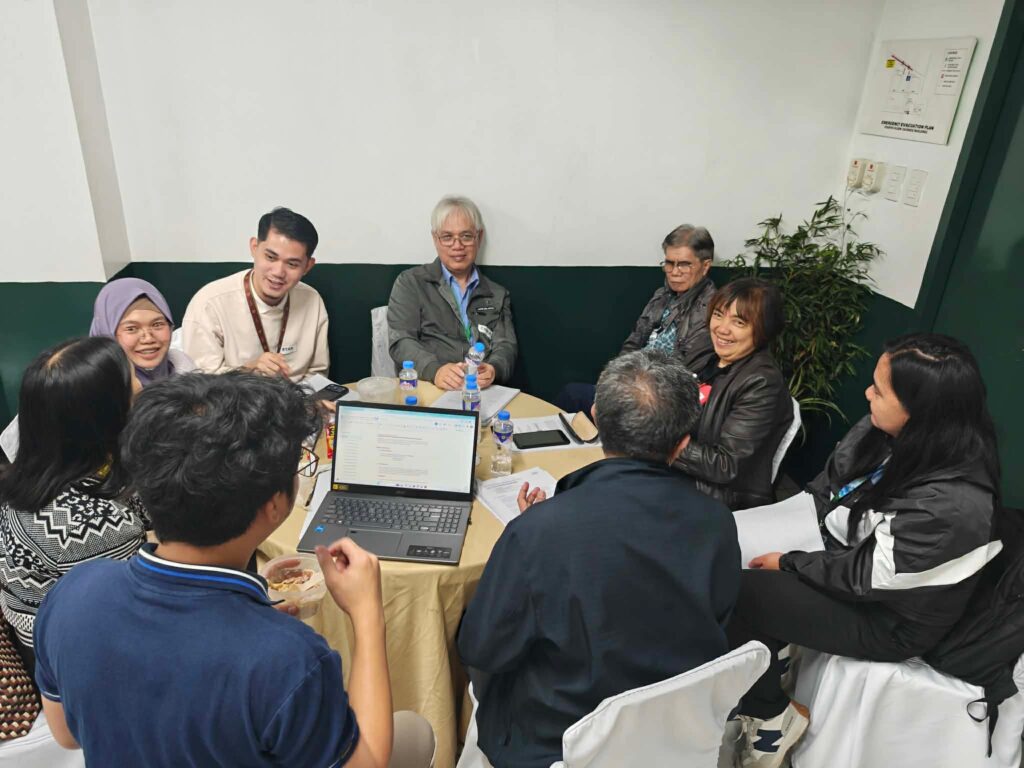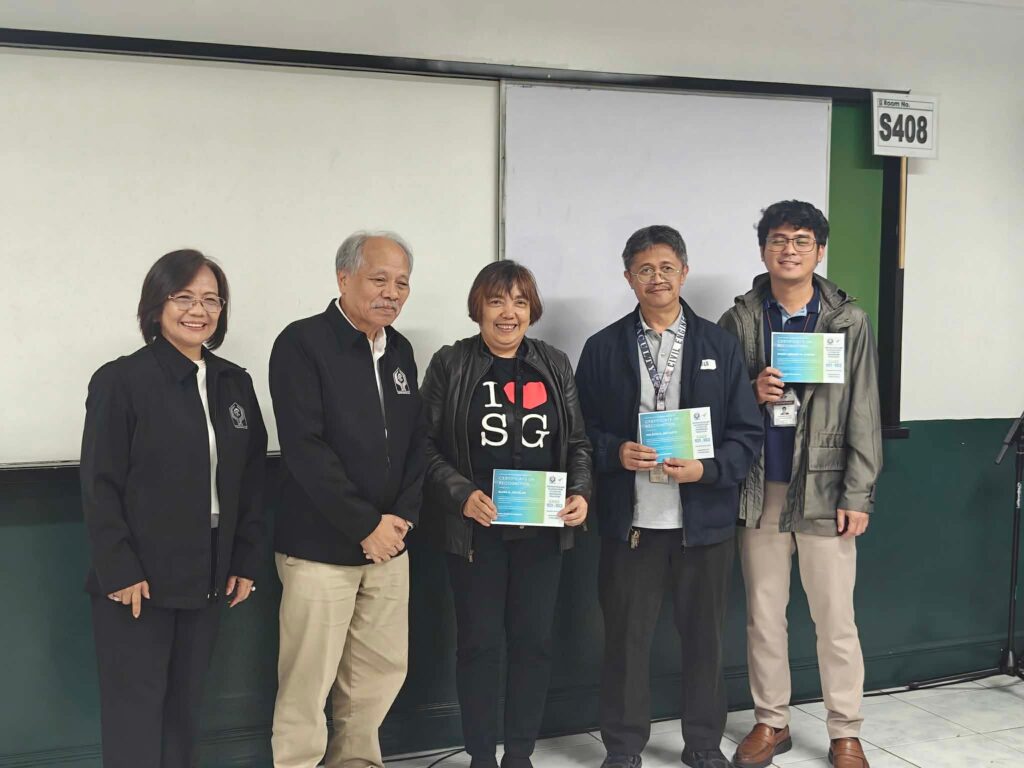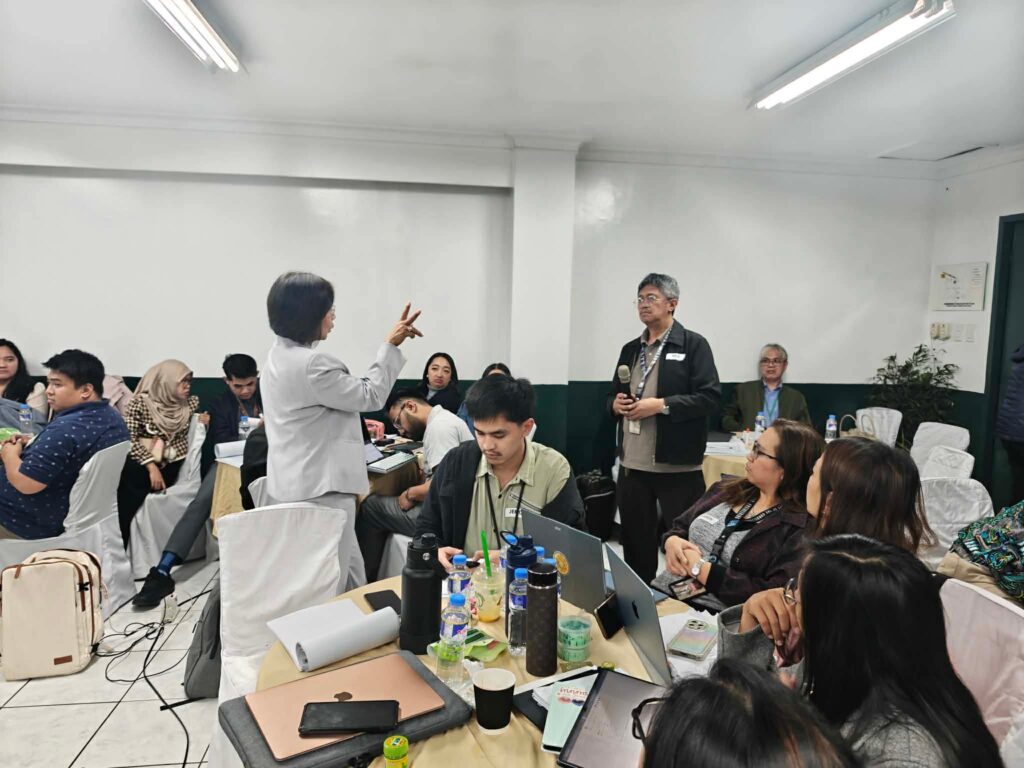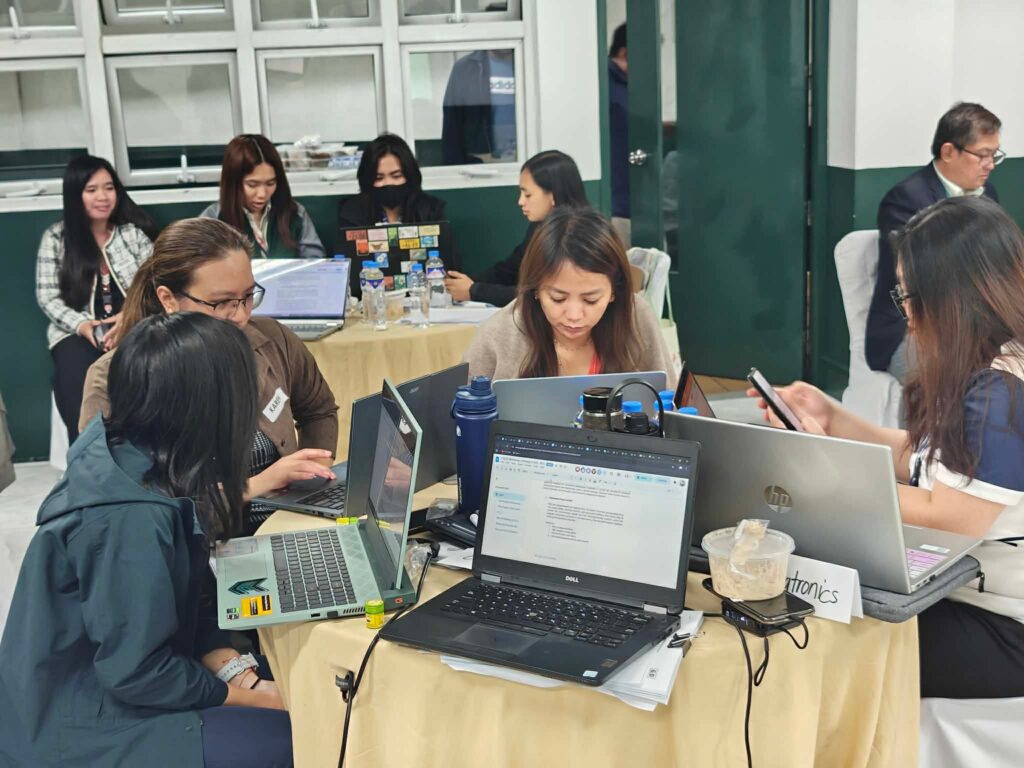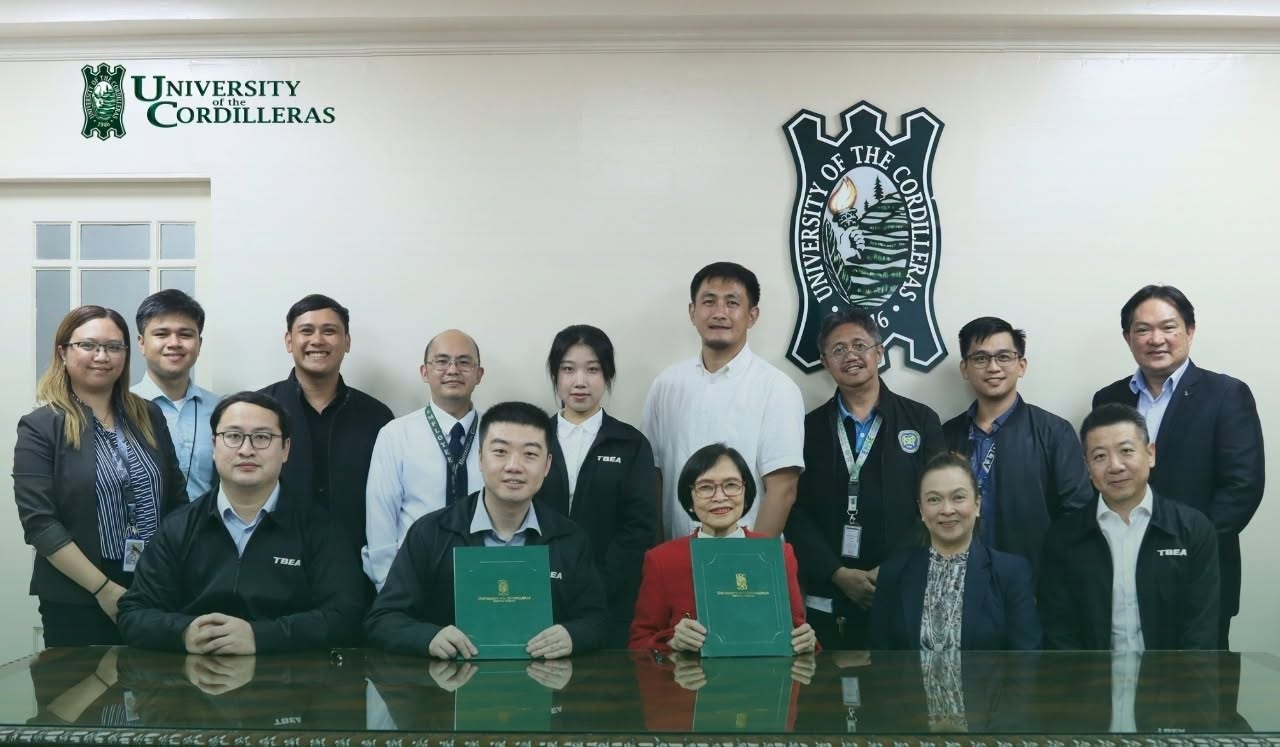
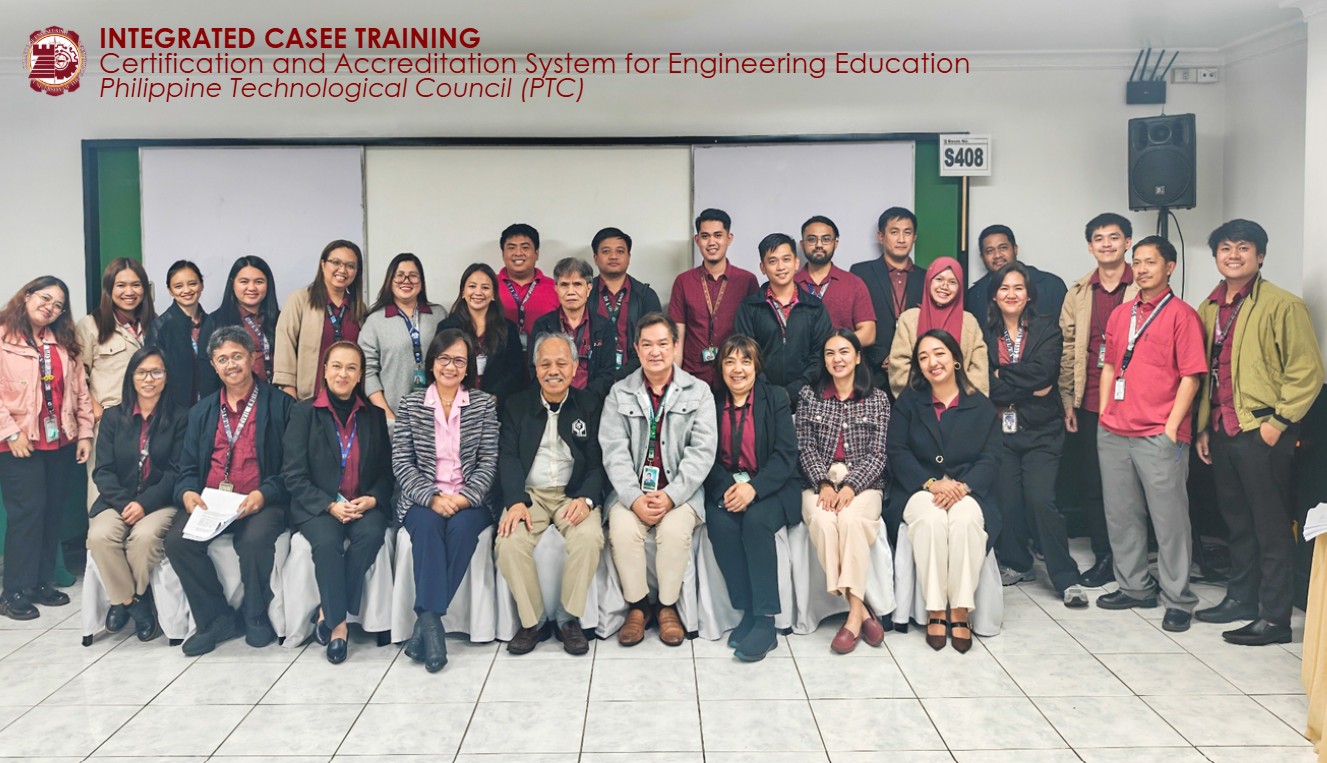
The Philippine Technological Council, in collaboration with the University of the Cordilleras, successfully conducted the Integrated Certification and Accreditation System for Engineering Education (CASEE) program from January 28 to 30, 2026, at the university’s campus in Baguio City. The three-day training was attended by faculty members from the UC College of Engineering, aimed at strengthening their understanding of outcomes-based education and accreditation systems.
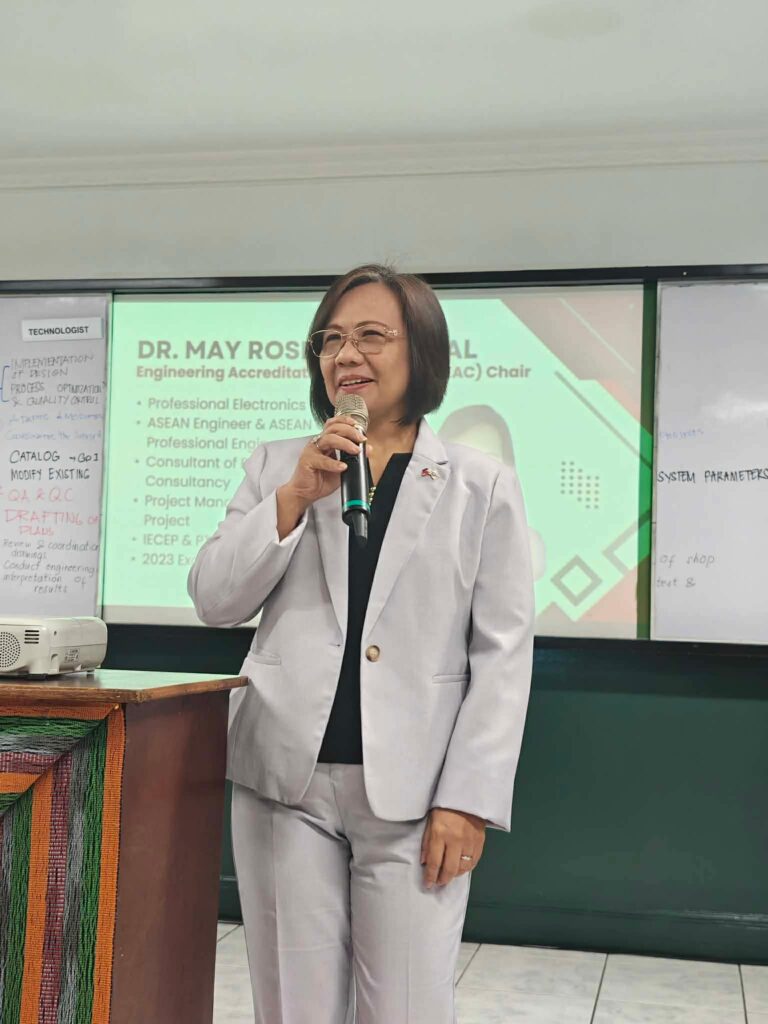
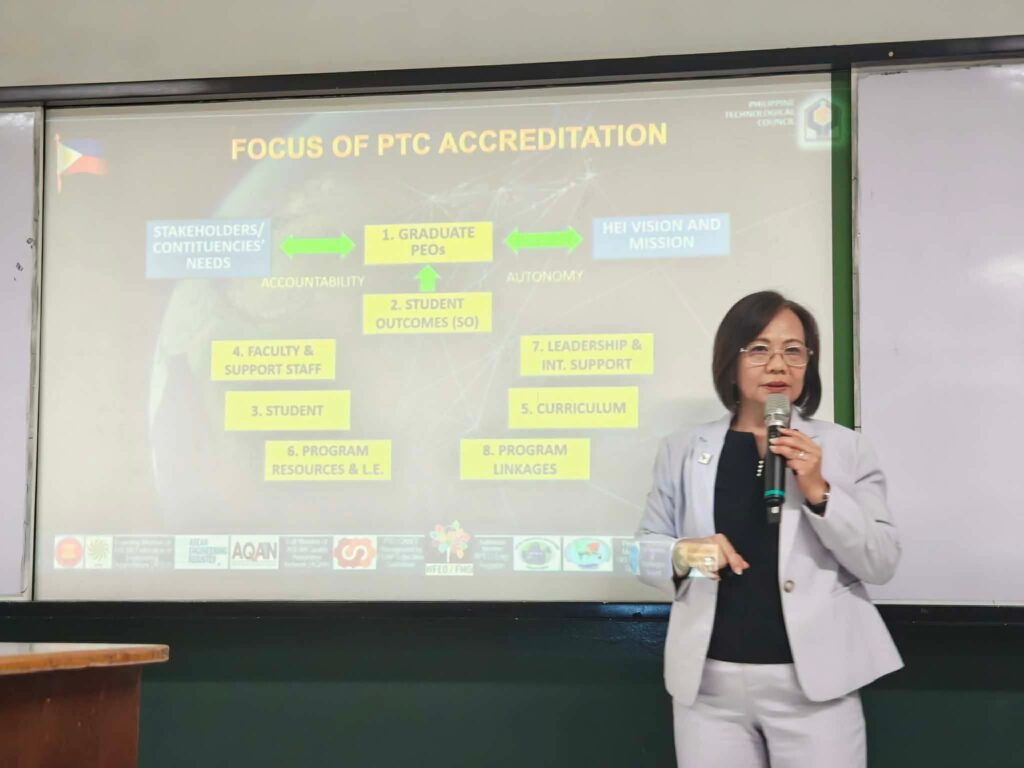
The program featured notable speakers including Engr. Federico A. Monsada, President of the Philippine Technological Council, and Dr. May Rose C. Imperial, Chair of the Engineering Accreditation Commission. They were supported by facilitators Robelle F. Ampuan, Menchie P. Jurado, and Cleorita Maricon T. Sadiaza, who guided participants through workshops and practical sessions.
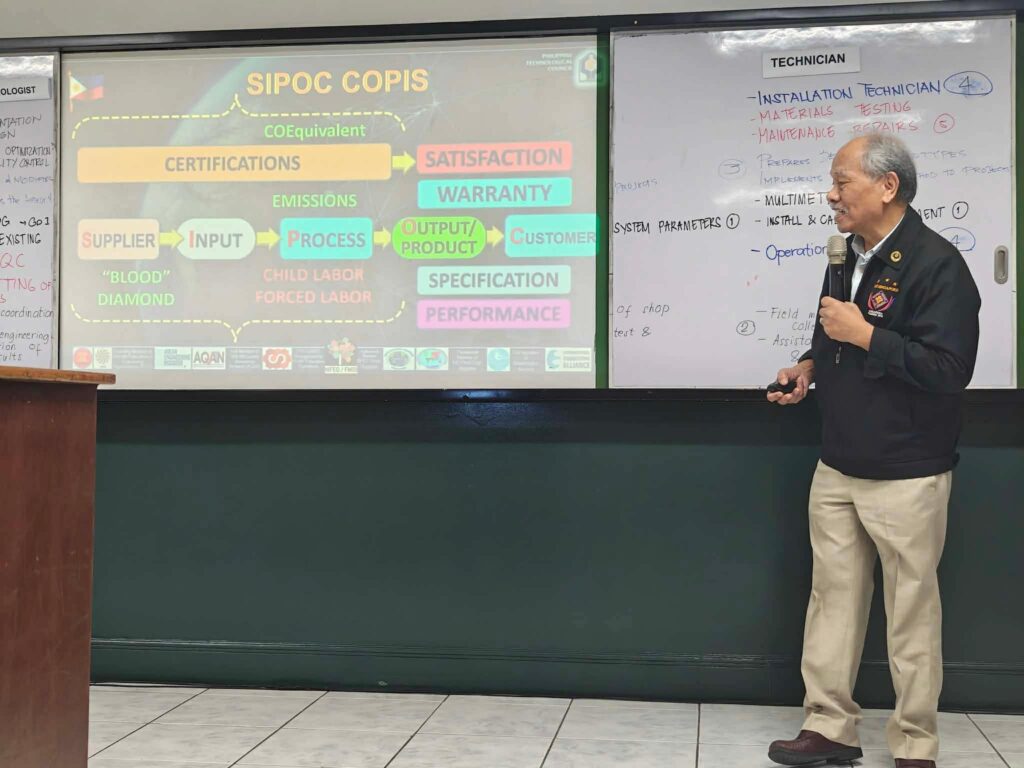
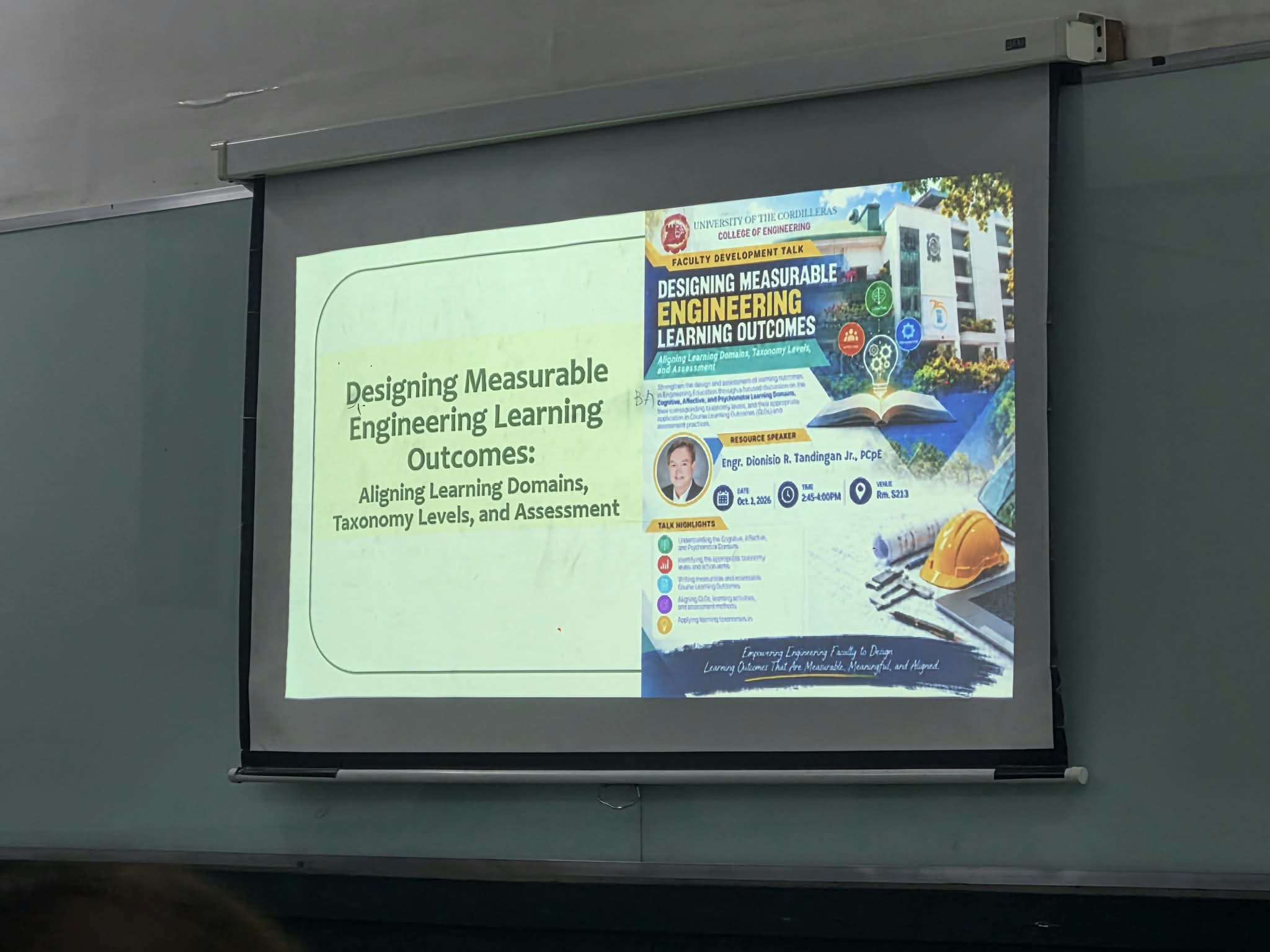
The CASEE program featured comprehensive and insightful sessions led by its main speakers, focusing on strengthening the preparedness of the UC-CoE for accreditation under the Philippine Technological Council. Enrgr. Monsada delivered key discussions on outcomes-based engineering education and accreditation, emphasizing the alignment of academic programs with international standards and the critical role of clearly defined learning outcomes. His sessions highlighted how institutions can systematically demonstrate program effectiveness—an essential requirement in achieving PTC accreditation. Complementing this, Dr. Imperial provided in-depth guidance on the Certification and Accreditation System for Engineering Education (CASEE), focusing on the structure, criteria, and evaluation processes involved. She underscored the importance of documentation, continuous quality improvement, and evidence-based assessment in meeting accreditation benchmarks. Through lecture-workshops and interactive engagements, participants were equipped with practical knowledge on preparing self-study reports, conducting internal reviews, and leading accreditation processes. These sessions were instrumental in enhancing the faculty’s capability to align curricula, assessment methods, and institutional practices with PTC standards, thereby strengthening the university’s readiness for successful accreditation.
The CASEE program strongly supports several United Nations Sustainable Development Goals. It aligns with SDG 4: Quality Education by enhancing the competencies of engineering educators and promoting outcomes-based learning standards. It contributes to SDG 9: Industry, Innovation, and Infrastructure by ensuring that engineering programs meet global accreditation standards, thereby producing graduates capable of driving innovation and sustainable infrastructure development. Additionally, the program supports SDG 8: Decent Work and Economic Growth by improving the quality of engineering education, which in turn strengthens workforce readiness and professional standards. Through these contributions, CASEE plays a vital role in advancing sustainable and globally competitive engineering education in the Philippines.