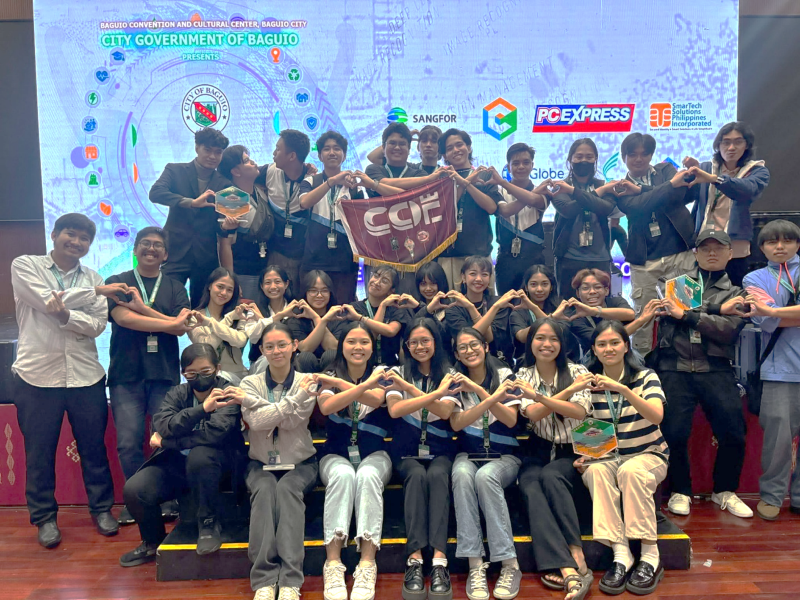
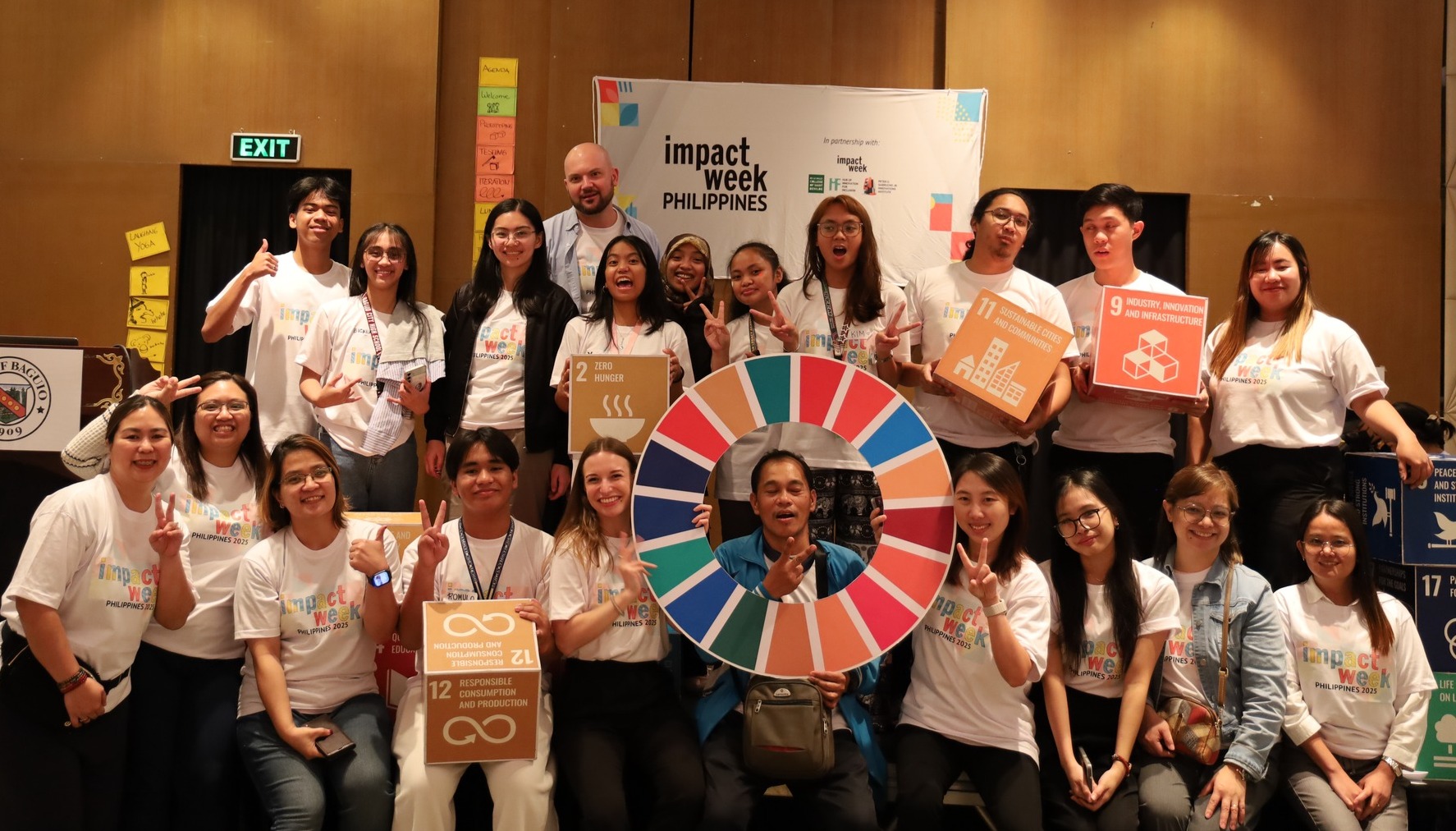
UC-COE faculty member Engr. Karen Allen Suarez recently took part in the 7-day Impact Week Philippines 2025, held on November 5–13, 2025, marking another milestone in the college’s active engagement with innovation, community development, and sustainability. The program was conducted in partnership with De La Salle–College of Saint Benilde, the German Embassy Manila, international Impact Week coaches, City of Baguio and local youth innovators, and concluded with the first-ever Impact Week Baguio City 2025 Design Thinking Workshop.
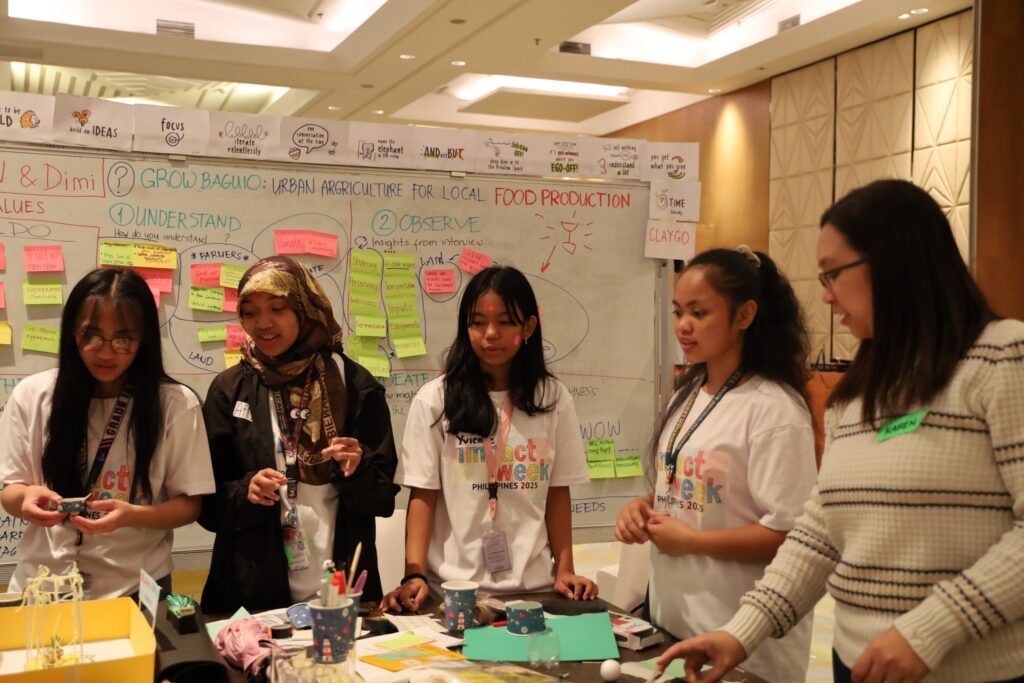
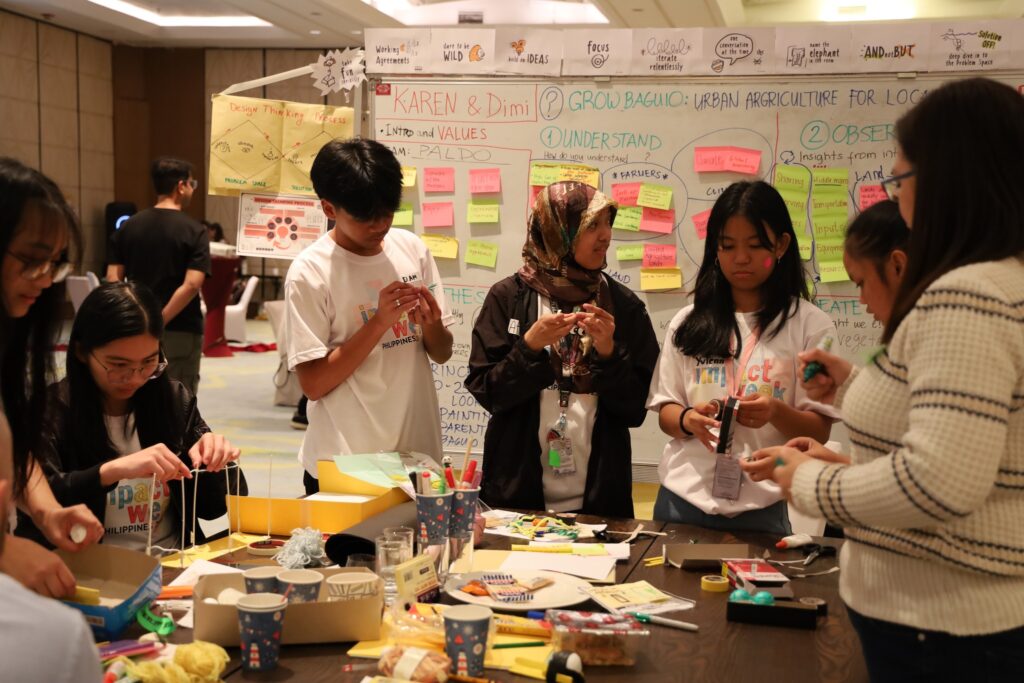
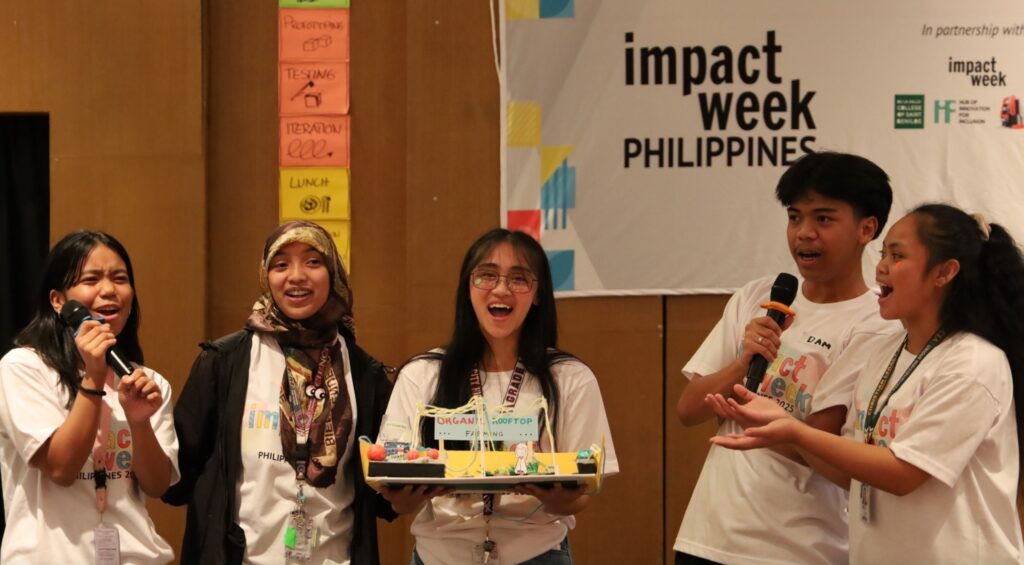
As part of the program, the UC-COE faculty member completed a the Train-the-Coach sessions and served as a Junior Design Thinking Coach, mentoring youth teams from Baguio through an intensive, human-centered design challenge. The event gathered 150 participants and 16 teams, who took the stage to pitch transformative ideas after two rigorous days of empathizing, observing, synthesizing, ideating, prototyping, and testing. Their solutions addressed six critical impact tracks: Grow Baguio: Urban Agriculture; Culture & Craft: Creative Entrepreneurship; Baguio Builds Green: Sustainable Infrastructure; Reclaiming Spaces: Placemaking; Pack with Purpose: Eco-Friendly Food Packaging; and No Waste: Circular Economy for Baguio’s Future.
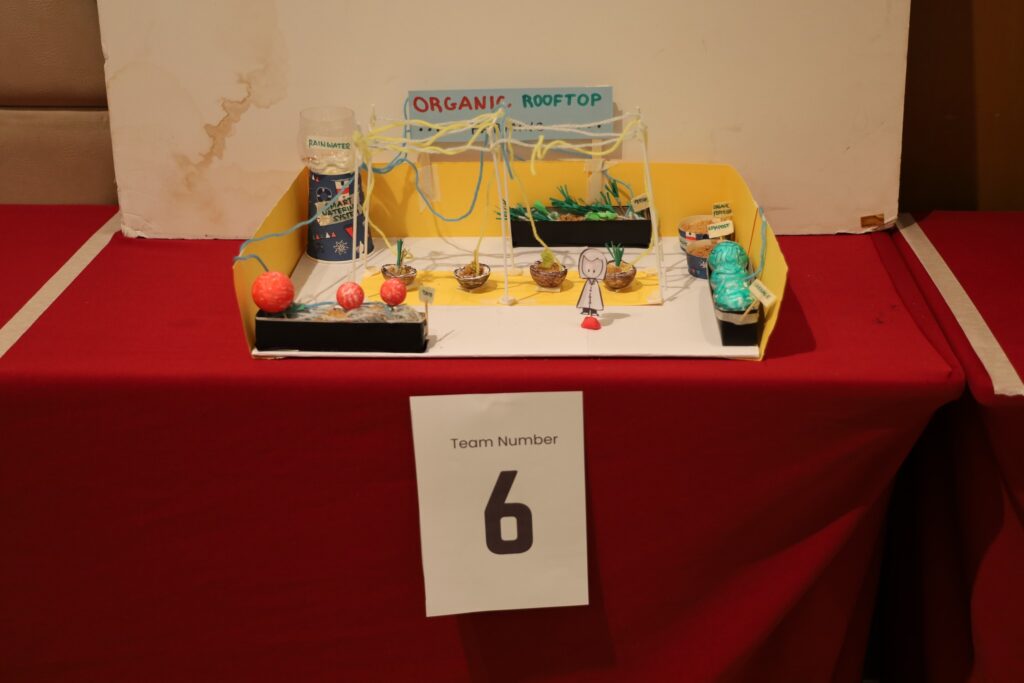
UC-COE through Engr. Suarez’s involvement was highlighted through its collaboration with a team under Grow Baguio: Urban Agriculture, which presented an innovative sustainable organic rooftop farming solution designed to address the city’s limited soil-based farming areas and UN’s SDG 2- Zero Hunger. The team delivered an outstanding and purpose-driven pitch, showcasing how engineering innovation and design thinking can provide practical, scalable solutions tailored for Baguio City.
Beyond the event itself, the Impact Week experience further strengthens the Engr. Suarez’s mission in shaping future engineers, firmly grounded in the University’s commitment to the United Nations Sustainable Development Goals (UN SDGs). The hands-on training in design thinking, coaching, and human-centered innovation will be directly applied in her classes, enabling students to tackle real-world problems through sustainability-focused engineering solutions. This initiative particularly supports SDG 4 (Quality Education) by enriching learning through experiential and innovation-driven pedagogy; SDG 9 (Industry, Innovation, and Infrastructure) by fostering creative and practical engineering solutions; SDG 11 (Sustainable Cities and Communities) through urban-focused challenges like rooftop farming; SDG 12 (Responsible Consumption and Production) by embedding sustainability principles in engineering design; and SDG 17 (Partnerships for the Goals) for the multi-sector partnerships expose faculty to global best practices, cross-cultural collaboration, and real-world innovation ecosystems . Through such engagements, UC-COE ensures that its graduates are not only technically skilled but also SDG-conscious engineers, equipped to design inclusive, resilient, and sustainable solutions leading meaningful change in their communities and beyond.
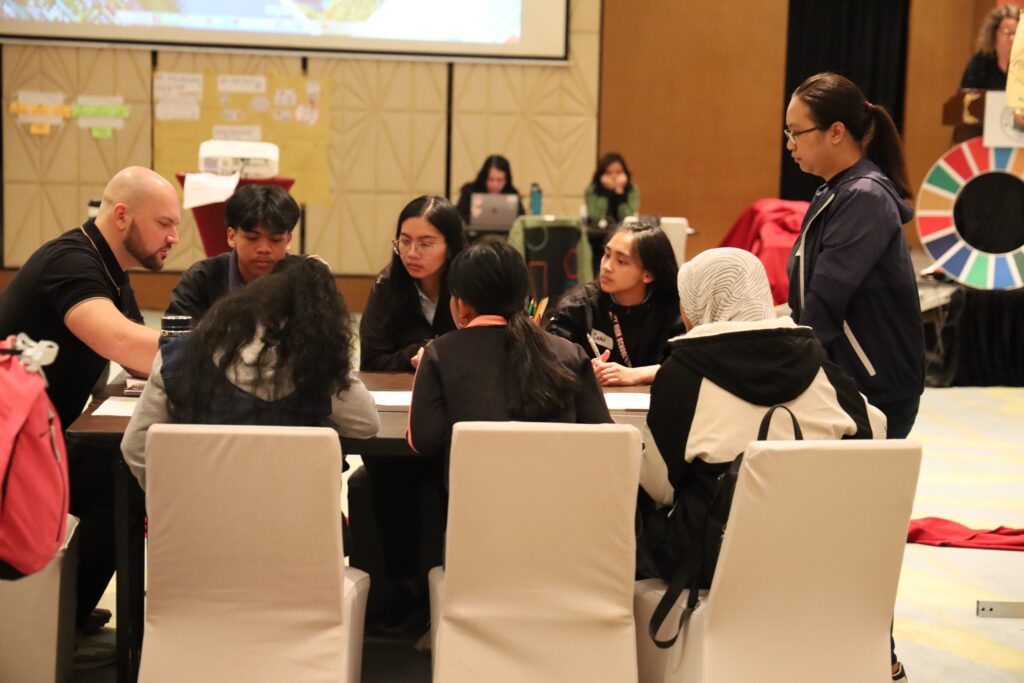
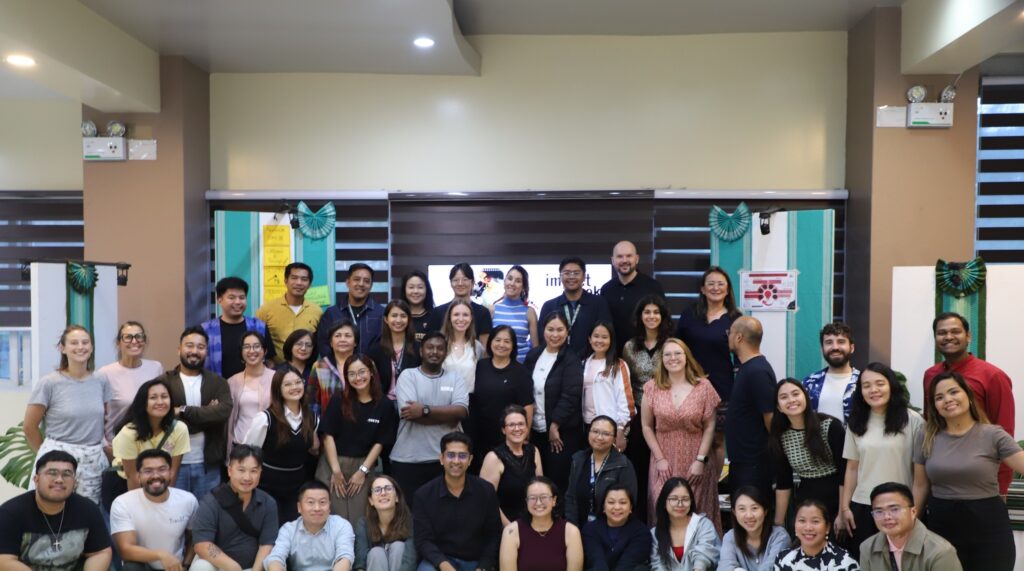
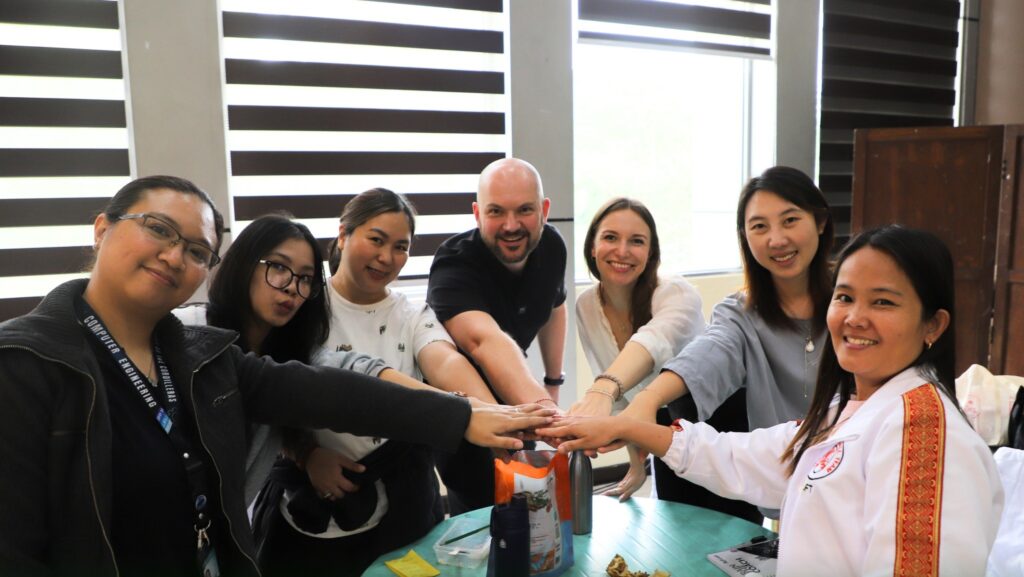
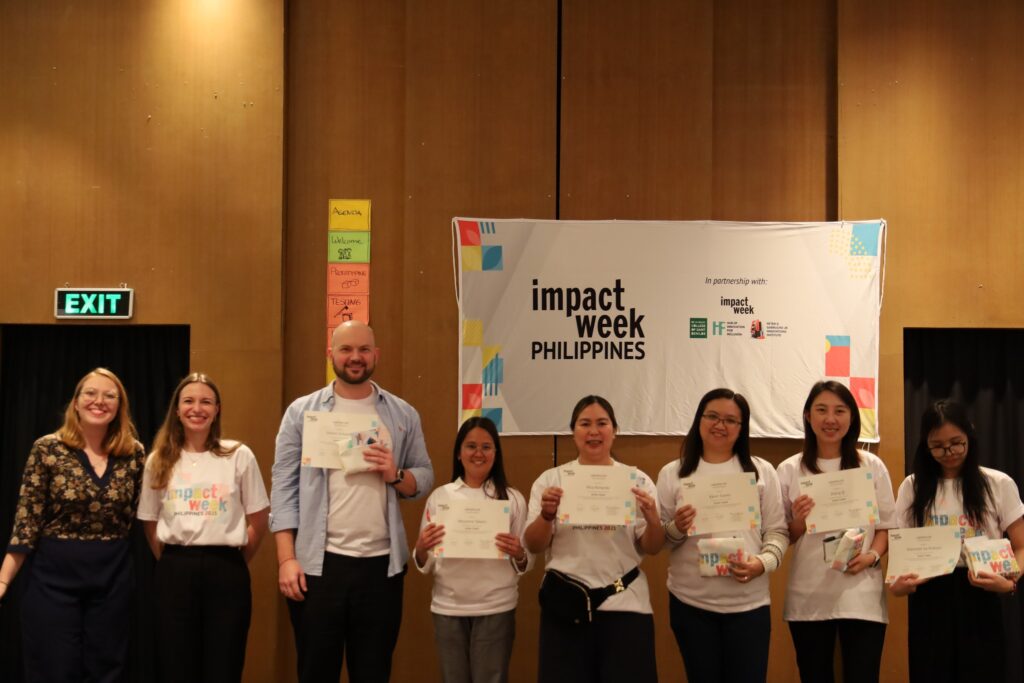
Photos by 𝗦𝗜𝗚𝗟𝗔𝗧 – Baguio Youth Innovation Hub